


To Melt or Not to Melt: Will the Polar Regions cease to exist?
- adc0064
- Mar 15, 2023
- 2 min read
Updated: Apr 24, 2023
About the polar regions.

The Arctic and Antarctic, also known as the polar regions, are areas that cover the top (North) and bottom
(South) of planet Earth. The Arctic is the northernmost part of the Earth and the Antarctic is the southernmost part. These regions are well known for being extremely cold and largely covered in ice because of their little to no exposure to sunlight. These poles may seem like they are identical when just by looking at them and their location; however, they differ in climate, animals, what’s beneath the ice, residents, and most important: their geographical features. For example, even though both regions are characterized by massive amounts of ice, the Arctic is an ocean that is surrounded by land while the Antarctic(a) is land surrounded by ocean. A look into other similarities and differences can be found in the video below.
The importance of planet Earth’s polar regions.
The polar regions are important because the majority of Earth’s freshwater is stored in these regions as ice. Another reason is that many organisms depend on these icy regions for habitual reasons, food resources, and overall survival.
Arctic Animals
1. Polar Bear***
2. Beluga Whale
3. Arctic Hare
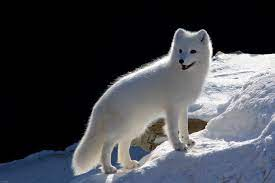
4. Arctic Fox
5. Snowy Owl
6. Walrus
7. Caribou
Antarctic Animals
1. Penguin***
2. Orca
3. Seal
4. Blue Whale
5. Antarctic Fur Seal
6. Snow petrel
7. Hourglass dolphin

Did you know??? Polar Bears are only found in the Arctic and Penguins are only found in the Antarctic.
Yes
No
These regions are also critical for climate regulation due to two reasons: (1) the ice acts as good removers of rays released from the sun, helping maintain Earth’s temperature, and (2) the ice helps drive ocean circulation, which is essential for transporting nutrients, freshwater, and heat around the world.
Climate change as a threat to the polar regions.
Climate change is becoming an increasing concern as human activities, such as the burning of coal and fossil fuels, continue to release carbon dioxide and other greenhouse gases into Earth's atmosphere. One direct consequence of a heating planet is that the ice found in these polar regions is melting at fast rates. The melting of sea ice will not only impact those regions but the entire world because of its role in reflecting sun rays back into space and ocean circulation. If the ice continues to melt, the sun's rays will remain in Earth’s atmosphere, causing the planet to heat up faster. If the ice disappears, the ocean circulation will come to a halt, harming sea life, intensifying hurricanes and storm surges, and disrupting the fisheries business which numerous people (especially islands) depend on for food resources. Also, melting ice will lead to sea level rise, endangering islands and coastal communities. If the ice from the Arctic and Antarctic melts completely, sea levels will rise ~70 feet, placing numerous islands and coastal communities underwater.
Making a change in your annual carbon footprint is essential to saving the polar regions and the many roles they play in regulating our planet. Protect them!

Text References:
Picture References:
Comments